
Exploring the cultural significance of gambling across different societies
The Historical Roots of Gambling
Gambling has existed in various forms for thousands of years, deeply woven into the fabric of human culture. Early civilizations, including the Chinese and Greeks, engaged in games of chance, often associating them with rituals and social gatherings. Archaeological evidence shows that ancient Chinese used rudimentary dice and betting games, highlighting the pastime’s longstanding presence. Such activities were not merely for entertainment; they served as crucial elements in community bonding and social hierarchy. For those curious about modern options, winshark-casinos.com offers a comprehensive platform to explore.

In ancient Rome, gambling became a popular pastime, even among the elite. The Roman emperor Augustus was known to disapprove of excessive gambling, yet it persisted and flourished within the society. The Romans developed sophisticated betting systems, including races and gladiatorial games, which further embedded gambling into their culture. This historical context shows how gambling transcended mere chance and became a medium of social interaction and cultural expression.
The evolution of gambling practices reflects the societal norms and values of various cultures. In many indigenous cultures, games of chance played significant roles in rituals and storytelling, serving as metaphors for life’s uncertainties. These historical roots emphasize that gambling is not simply an activity for profit but an integral part of human history, influencing social structures and cultural narratives.
Gambling in Religion and Mythology
Many cultures have intertwined gambling with their spiritual beliefs and mythology, often viewing chance as a manifestation of divine will. In ancient Hindu texts, dice games are depicted as both entertainment and a test of fate, illustrating how gambling was infused with moral and spiritual implications. This dual nature of gambling showcases its complexity, as it was perceived both as a source of fortune and a potential moral failing.
Similarly, in various African and Native American traditions, gambling was used as a method for divination and prophecy. These communities often engaged in betting games during religious ceremonies, where the outcomes were believed to reflect the desires of the spirits or ancestors. This illustrates how gambling has transcended mere leisure activity, often serving as a tool for understanding the unknown.
Furthermore, in Western cultures, the notion of luck and chance is often imbued with religious connotations, as seen in phrases like “luck be a lady.” Gambling has been depicted in countless literary and artistic works, exploring themes of fate, morality, and the human condition. Such associations highlight gambling’s deep-rooted significance across diverse religious and mythological contexts, offering insights into humanity’s quest for meaning and understanding in uncertain times.
Modern Gambling and Its Cultural Impacts
In contemporary societies, gambling has transformed into a multi-billion-dollar industry, shaped by technological advancements and regulatory frameworks. Online gambling platforms have emerged, catering to a global audience and providing access to a variety of games from the comfort of one’s home. This digital revolution has not only expanded the reach of gambling but has also altered cultural perceptions of the activity, making it more mainstream and accessible.
As modern gambling continues to evolve, it raises various social and ethical questions. On one hand, proponents argue that gambling can promote social interaction and community building, while critics raise concerns about addiction and the societal costs associated with problem gambling. This duality reflects the ongoing cultural struggle to balance enjoyment with responsibility, particularly as gambling becomes increasingly normalized in social settings.
Additionally, the representation of gambling in media and pop culture has further shaped public attitudes. Movies, television shows, and literature often romanticize the allure of gambling, portraying it as a thrilling adventure. This glamorization can influence how individuals perceive gambling, potentially encouraging riskier behaviors among those drawn to its portrayal. As a result, the cultural impact of gambling is complex, intertwining enjoyment, risk, and social responsibility.
The Role of Gambling in Social Identity
Gambling can serve as a means of forming social identities and building connections within communities. In many cultures, local gambling establishments function as social hubs where individuals gather to socialize, celebrate, or commiserate. These venues often facilitate a sense of belonging, offering a space where shared experiences and collective memories are created. The communal aspect of gambling can foster a strong local identity, reinforcing cultural ties among participants.
Moreover, gambling can also reflect broader social dynamics, including class and status. In elite circles, high-stakes gambling events can signify wealth and prestige, while in lower socio-economic communities, local betting shops may represent accessible entertainment. This contrast highlights how gambling can both unify and divide communities, shaping identities based on shared experiences or aspirations.
As gambling becomes more prevalent in various forms, understanding its role in shaping social identities is essential. It can act as a cultural touchstone, revealing deeper truths about society’s values, aspirations, and struggles. By examining these dynamics, we gain valuable insights into how gambling influences social cohesion and identity formation across different societies.
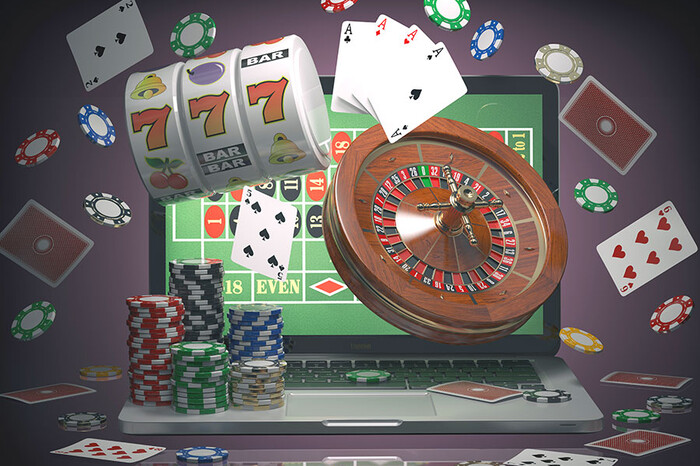
WinShark Casino: A Modern Gaming Experience
In today’s digital age, platforms like WinShark Casino have revolutionized the gambling experience, offering a vast array of gaming options. With over 8,500 slot machines and live dealer games, WinShark caters to both beginners and seasoned players alike. This accessibility allows individuals from diverse backgrounds to engage in gambling, reflecting the modern cultural integration of this activity into daily life.
WinShark Casino promotes responsible gambling practices, ensuring that users can enjoy their gaming experience while maintaining control. The platform features generous bonuses and various payment options, including popular credit cards and cryptocurrencies, making it easy for users to manage their accounts. The mobile compatibility of WinShark ensures that players can access their favorite games anytime, anywhere, further bridging the gap between traditional gambling and contemporary entertainment.
As gaming continues to evolve, platforms like WinShark Casino exemplify how the cultural significance of gambling adapts to modern expectations. By combining excitement, community, and responsibility, they reflect the ongoing relevance of gambling in today’s society, serving as a gateway for individuals to explore the rich history and diverse practices associated with this timeless activity.
