
Cultural perspectives on gambling Understanding the global tapestry of risk and reward
The Historical Context of Gambling
The roots of gambling can be traced back to ancient civilizations where dice games were played in Mesopotamia and betting on chariot races occurred in ancient Rome. These early forms of gambling were often intertwined with religious rituals, social status, and economic transactions. As societies evolved, so did the complexity of gambling, leading to organized games and the establishment of betting houses. This historical perspective highlights the integral role gambling has played in human culture, reflecting societal values, beliefs, and norms over time. If you’re looking for information on the best nfl betting sites, you’ll find plenty of reliable resources available to help you navigate the options.
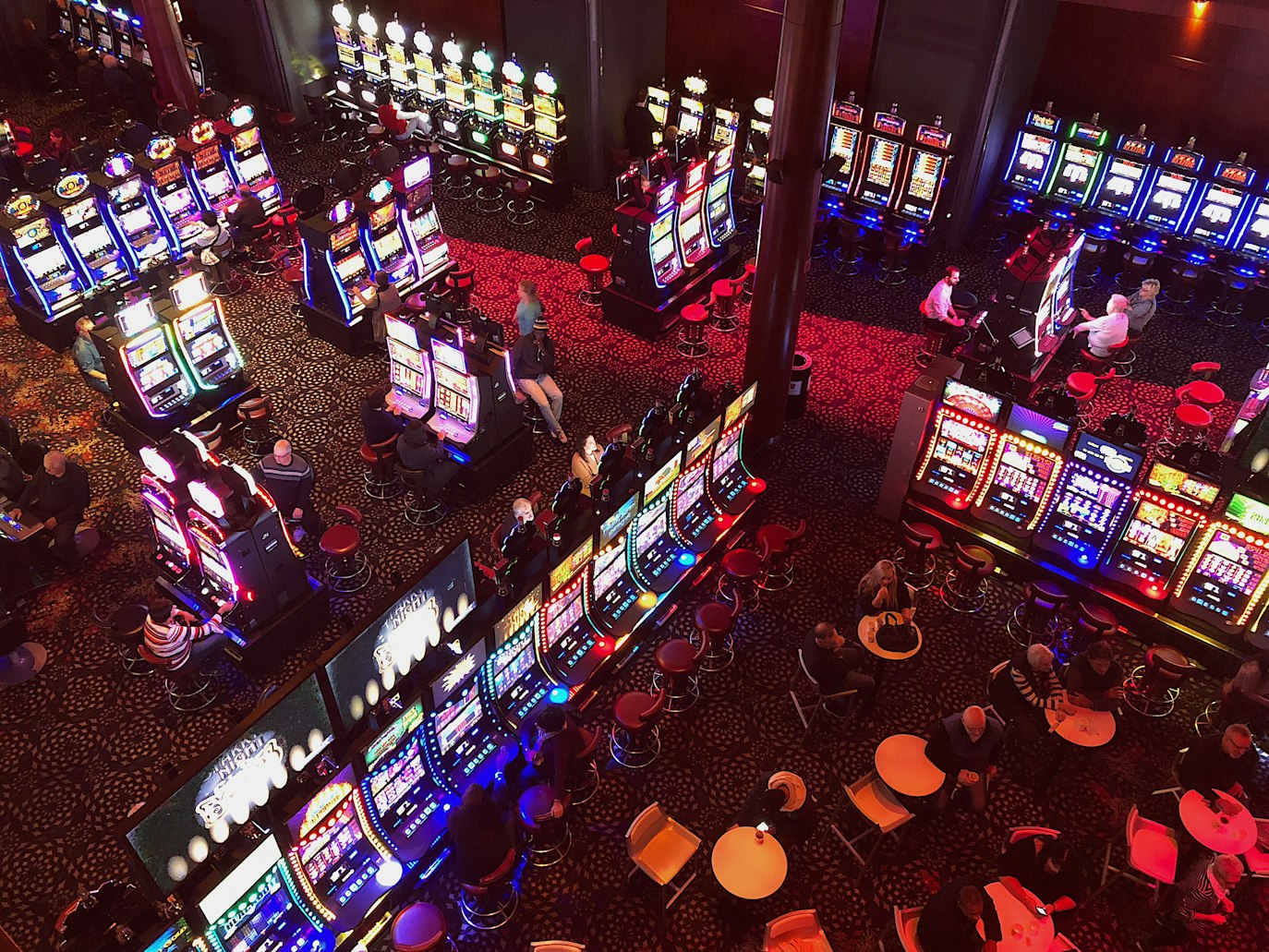
In many cultures, gambling was once seen as a noble pursuit, associated with bravery and skill. For instance, in China, games like Pai Gow were not just forms of entertainment but also a way to test one’s strategic thinking and luck. In contrast, other cultures viewed gambling with suspicion or disdain, associating it with moral decay and social issues. This dichotomy of views on gambling demonstrates how historical context and cultural attitudes significantly influence perceptions of risk and reward.
Today, the historical evolution of gambling continues to shape modern practices. For instance, many countries have established regulatory frameworks that aim to balance public safety with the desire for entertainment. Understanding this historical context is crucial in appreciating how gambling has become a global phenomenon, transcending borders and cultural differences, and how it still sparks debates on ethics and morality.
Gambling and Cultural Identity
Gambling often plays a significant role in cultural identity, reflecting the values and traditions of various communities. In some societies, indigenous games and betting practices are a source of pride and cultural heritage. For example, the Inuit people of Canada have traditional gambling games that not only serve as entertainment but also reinforce community bonds and storytelling traditions. These culturally specific practices underscore how gambling can be a unifying force, bringing people together while honoring their unique histories.
On the other hand, the commercialization of gambling has led to tensions in various cultures. The influx of casinos and online betting platforms can sometimes clash with traditional values and practices. In some regions, this has sparked movements to protect indigenous gambling forms, as communities seek to preserve their identity against the backdrop of a rapidly globalizing gambling industry. The cultural implications of gambling thus highlight the balance between embracing modernity and safeguarding traditional practices.
The intersection of gambling and cultural identity also extends to the representation of gambling in media and popular culture. Movies, books, and music often portray gambling as an exhilarating adventure or a tragic downfall. These narratives influence public perception and can either romanticize or demonize the act of gambling, further complicating cultural attitudes toward risk and reward.
The Psychology of Gambling Across Cultures
The psychology behind gambling is a fascinating aspect that varies significantly across cultures. In some societies, gambling is viewed as a means of escaping economic hardship, where individuals hope to change their fortunes through chance. For instance, in regions experiencing high unemployment rates, the allure of winning big can lead many to take risks they otherwise wouldn’t consider. This psychological perspective underscores the role of hope and desperation in gambling behavior, highlighting how cultural factors shape individual motivations.
In contrast, other cultures approach gambling with a more strategic mindset, viewing it as a game of skill rather than pure chance. In places like Las Vegas, where poker is a dominant form of gambling, players often engage in elaborate strategies, demonstrating a deep understanding of the psychological elements at play. This perspective on gambling emphasizes rationality and skill, suggesting that cultural context influences whether gambling is seen as a mere game of luck or a calculated risk.
Moreover, the impact of social norms and peer pressure can significantly affect gambling behavior. In collectivist cultures, the stigma associated with losing money can deter individuals from participating in gambling activities, while in individualistic societies, the freedom to gamble is often celebrated as a personal choice. Understanding these psychological nuances is essential for grasping the complex relationship between gambling and cultural perspectives on risk and reward.
Regulatory Frameworks and Their Cultural Implications
As gambling becomes a global phenomenon, various countries have developed regulatory frameworks to govern the industry. These regulations are often influenced by cultural attitudes toward gambling, reflecting a society’s values and beliefs. For example, in countries like the United Kingdom, gambling is heavily regulated, with established guidelines to promote responsible gaming and minimize harm. This approach not only addresses the social implications of gambling but also fosters a sense of community responsibility.
Conversely, in countries where gambling is largely unregulated, individuals may face greater risks, including addiction and financial ruin. The lack of oversight can lead to exploitation, particularly of vulnerable populations. Cultural attitudes towards regulation often reveal underlying beliefs about personal responsibility and the role of government, showcasing how gambling intersects with broader societal issues such as health care, economic stability, and social welfare.
Internationally, the push for standardization of gambling regulations has sparked debates over ethical considerations and cultural preservation. Some argue that global regulations may undermine local customs and practices, while others advocate for a unified approach to ensure fairness and protection for gamblers. This ongoing discussion emphasizes the complexity of balancing cultural perspectives with the need for effective governance in the gambling sector.

Exploring the Landscape of Global Gambling
The global landscape of gambling is diverse and rapidly evolving, shaped by cultural perspectives on risk and reward. From traditional games in indigenous cultures to high-stakes casinos in bustling metropolitan areas, the variety of gambling practices offers a rich tapestry that reflects human behavior. Online gambling has further transformed this landscape, making games accessible to a broader audience and introducing new dynamics in player interaction and community building.
Each region has its own unique gambling culture, influenced by history, economics, and social norms. For example, in countries like Japan, Pachinko parlors blend gaming and gambling, creating a social experience distinct from traditional casinos. This adaptability showcases how cultural elements can shape gambling practices to fit contemporary lifestyles while maintaining a connection to heritage and tradition.
Moreover, understanding the global gambling landscape is vital for stakeholders, including regulators, operators, and players. By recognizing the cultural nuances that shape gambling behavior, strategies can be developed to promote responsible gaming, enhance player experience, and address potential societal impacts. As this complex tapestry of risk and reward continues to unfold, it is essential to appreciate the diverse cultural perspectives that contribute to the global conversation on gambling.
